
How Facility Management Impacts Daily Operations and User Experience
Introduction: Beyond Maintenance — The Operational Backbone of Commercial Spaces
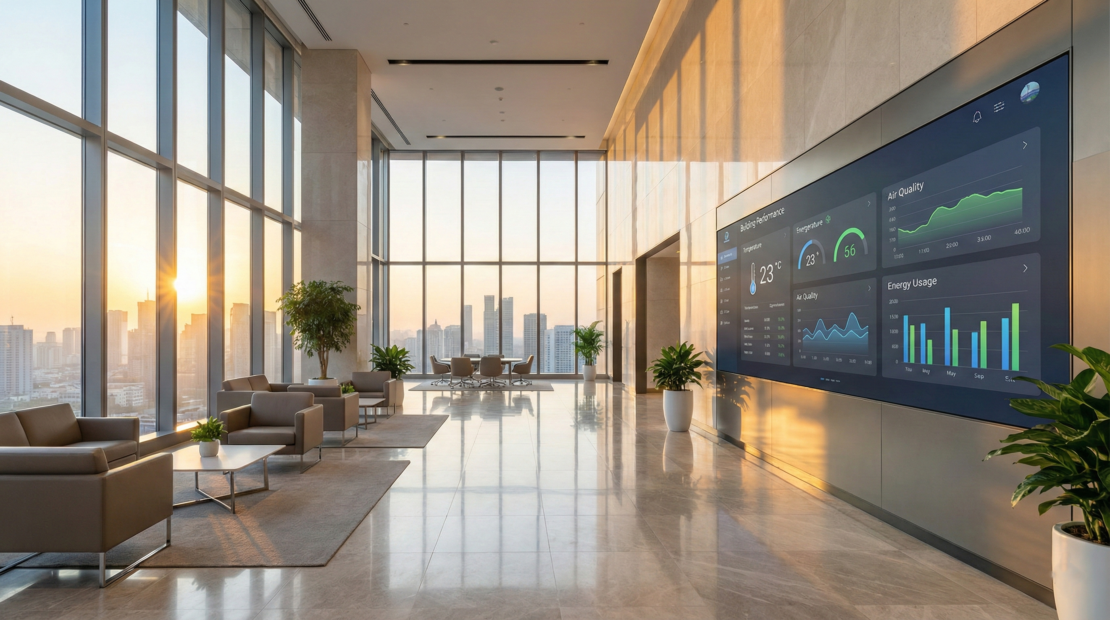
Facility Management (FM) is often perceived as a post-handover service focused solely on maintenance and repairs. In reality, it plays a far more strategic role. In commercial environments—whether offices, retail outlets, hospitality venues, or medical facilities—Facility Management directly influences daily operations, user comfort, and overall performance.
A well-designed space can lose its value quickly if it is not properly managed. Conversely, a professionally managed facility sustains operational efficiency, enhances user satisfaction, and protects long-term asset value.
This article explores how Facility Management shapes everyday operations and significantly impacts user experience in commercial projects.
Facility Management as an Operational System — Not a Support Function
In commercial properties, operations rely on interconnected systems:
- HVAC performance
- Electrical reliability
- Lighting functionality
- Plumbing systems
- Safety infrastructure
Facility Management ensures these systems operate consistently and efficiently. It is not merely about responding to failures—it is about preventing disruptions before they occur.
When FM operates proactively rather than reactively, businesses experience:
- Fewer operational interruptions
- Greater predictability
- Reduced stress on management teams
This stability directly supports business continuity.
Reducing Downtime: The Hidden Value of Professional FM
Unplanned downtime is one of the most expensive operational risks in commercial environments.
Consider the impact of:
- Air conditioning failure in retail during peak hours
- Electrical disruptions in office environments
- Plumbing leaks in hospitality facilities
Each incident affects not only the physical space but also revenue, customer satisfaction, and brand reputation.
Effective Facility Management reduces downtime by:
- Implementing preventive maintenance schedules
- Monitoring critical systems
- Identifying performance decline early
- Ensuring rapid response protocols
Operational continuity becomes predictable rather than uncertain.
Enhancing User Experience Through Environmental Stability
User experience is not shaped by design alone—it is influenced daily by environmental conditions.
Facility Management affects:
- Thermal comfort
- Air quality
- Lighting balance
- Acoustic control
- Cleanliness standards
When these elements are consistently maintained, users experience:
- Greater comfort
- Improved productivity
- Higher satisfaction levels
- Increased loyalty in retail or hospitality settings
In office environments, environmental stability directly impacts employee focus and performance.
FM and Workplace Productivity
In corporate offices, Facility Management plays a measurable role in workplace efficiency.
Reliable building systems ensure:
- Fewer distractions caused by technical failures
- Comfortable temperature control
- Stable IT and power infrastructure
- Functional meeting spaces
Even minor disruptions—such as flickering lighting or temperature imbalance—can negatively affect morale and performance.
FM transforms the workplace from a static environment into a consistently supportive operational ecosystem.
Protecting Operational Flow in High-Performance Sectors
Certain commercial sectors demand particularly high levels of facility reliability, including:
- Medical centers
- Restaurants and food outlets
- Data-driven office environments
- Retail chains
In these environments, system failures can have amplified consequences.
Professional Facility Management introduces structured monitoring, compliance checks, and performance tracking to maintain operational readiness.
Facility Management as a Brand Experience Driver
Customers may not consciously recognize Facility Management—but they certainly feel its absence.
Poorly maintained environments communicate:
- Neglect
- Inconsistency
- Reduced professionalism
Well-maintained facilities communicate:
- Reliability
- Quality
- Attention to detail
In competitive markets such as Riyadh and Jeddah, operational consistency contributes directly to brand perception and customer retention.
Long-Term Operational Efficiency
Beyond daily stability, Facility Management contributes to long-term operational efficiency through:
- Asset lifecycle planning
- Scheduled system upgrades
- Energy efficiency optimization
- Performance analytics
These strategies reduce long-term costs while improving system reliability.
Rather than waiting for assets to fail, proactive FM extends equipment life and ensures predictable capital expenditure planning.
Conclusion: Facility Management Is an Experience Strategy
Facility Management is not simply a maintenance service—it is a strategic function that shapes daily operations and user experience in commercial spaces.
From minimizing downtime to enhancing comfort, productivity, and brand perception, professional FM supports both operational continuity and long-term performance.
At Saria Projects Company, we view Facility Management as an integral part of commercial project success—ensuring that spaces continue to perform as intended long after handover.
Looking to improve operational performance and user experience in your commercial property?
Contact Saria today to explore how structured Facility Management can elevate your facility’s daily performance.

